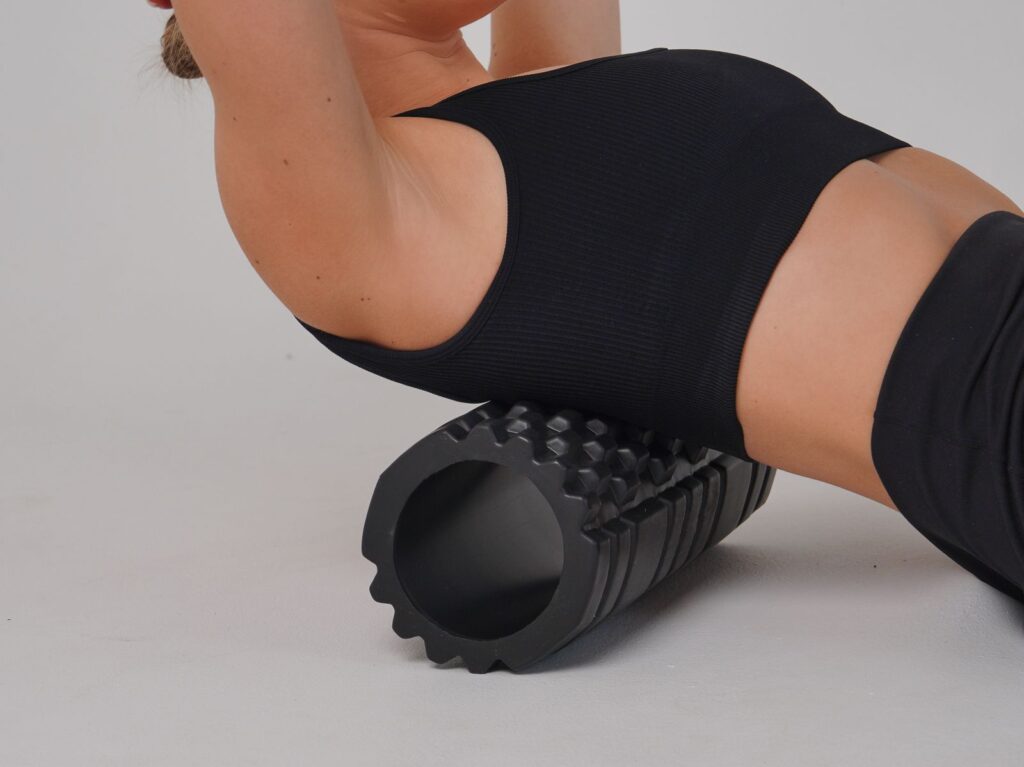
Foam rolling has become a standard part of many warm-up and cool-down routines, a simple way to work on tight muscles after training. But walk into any sports store or browse online and you will find dozens of rollers in different lengths, densities, and textures.
This guide compares popular foam rollers based on their published specifications, design features, and widely reported user feedback — not on hands-on testing by our team.
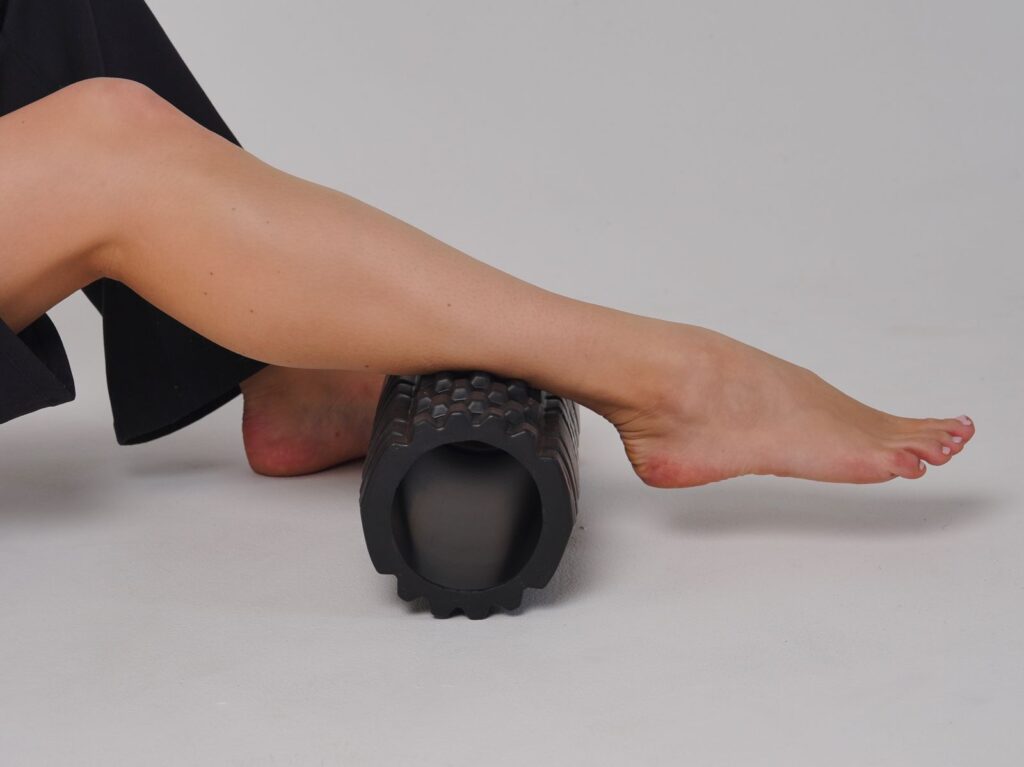
How to Choose a Foam Roller for Muscle Recovery
Density. Density determines how firm the roller feels. High-density rollers apply more pressure and suit experienced users and larger muscle groups. Softer, medium-density rollers are more forgiving and are usually a better starting point for beginners or for sensitive areas such as the upper back.
Length. Full-length rollers (around 36 inches) are the most versatile: they cover the whole back in one pass and are stable for balance work. Shorter rollers (12 to 18 inches) are easier to carry and target smaller areas such as calves and forearms, and they fit in a gym bag or suitcase. If you can only buy one, a mid-length roller around 18 inches is a good compromise.
Surface texture. Smooth rollers apply even, predictable pressure and are the easiest to control. Textured rollers — with ridges, knobs, or grid patterns — create varied pressure points that some users find more effective on stubborn tight spots. Textured surfaces can feel intense at first, so beginners often do better starting smooth.
Diameter. Most rollers are 5 to 6 inches in diameter. A larger diameter feels more stable and gentler, while a smaller diameter applies more focused pressure and is easier to carry. Compact rollers are also useful for targeting the feet and forearms.
Durability. A good roller should keep its shape under your body weight. Rollers with a rigid hollow core or a dense moulded foam body tend to last longer than soft solid-foam rollers, which can flatten over time. Check user feedback for comments about rollers going soft or cracking after months of use.
Vibrating vs. standard. Vibrating rollers add a motor that delivers pulsing vibration while you roll. Some users find the vibration helps them relax into the stretch, but vibrating models cost considerably more, need charging, and are heavier. For most people, a standard roller is the right first purchase.
Our Picks: Best Foam Rollers for Muscle Recovery
1. TriggerPoint GRID 1.0
The TriggerPoint GRID is one of the most widely recognised foam rollers, and it is a common sight in gyms and physiotherapy clinics. Its surface is divided into distinct zones of varying firmness — firm tubular ridges, flatter panels, and low patches — designed to mimic different massage pressures. A rigid hollow core keeps it from flattening under body weight.
Pros:
- Multi-density surface offers varied pressure in one roller
- Rigid hollow core resists flattening and lasts well
- Compact 13-inch size fits easily in a gym bag
- Widely available with plenty of user feedback to compare
Cons:
- Short length means rolling the full back takes several passes
- The textured surface can feel intense for complete beginners
- Mid-range price, above basic smooth rollers
2. Amazon Basics High-Density Round Foam Roller
For a straightforward, no-frills roller, the Amazon Basics high-density model is one of the most popular budget options. It is a simple smooth cylinder made from dense moulded foam, available in several lengths. There is no texture, no core, and no extra features — just a firm, consistent surface that does the job.
Pros:
- Budget-friendly price with a firm, consistent feel
- Available in multiple lengths, including a full 36-inch option
- Simple smooth surface is easy to control for beginners
- Durable dense foam holds its shape well for the price
Cons:
- No textured zones for targeted pressure
- The smooth surface can feel slippery on some floors
- Basic design offers nothing extra for experienced users
3. RumbleRoller Original Textured Foam Roller
The RumbleRoller is the go-to choice for people who find standard rollers too gentle. Its surface is covered in firm, flexible bumps that create deep, focused pressure points. It is aimed at experienced users, athletes, and anyone working on dense tissue around the glutes, hips, and thighs. It comes in several lengths and two firmness levels.
Pros:
- Deep, focused pressure for stubborn tight areas
- Two firmness levels to choose from
- Durable construction that holds up to heavy use
- Available in compact and full-length versions
Cons:
- The bumps can feel uncomfortable or even painful for beginners
- Not a good first roller if you are new to foam rolling
- Heavier than many smooth rollers of the same size
4. OPTP PRO-Roller Standard Density
The OPTP PRO-Roller is a long-standing favourite in physiotherapy clinics. It is a smooth, closed-cell foam roller with a consistent medium-firm density, available in full 36-inch length. The closed-cell surface resists absorbing moisture and is easy to wipe clean, which is one reason clinics choose it.
Pros:
- Consistent, medium-firm density suited to a wide range of users
- Closed-cell foam is easy to clean and resists moisture
- Full 36-inch length covers the whole back
- Long track record in clinical and professional settings
Cons:
- Premium price range
- Smooth surface offers no textured pressure variation
- The full-length version is bulky to store and carry
5. Rollga Foam Roller
The Rollga stands out because of its contoured shape: instead of a straight cylinder, it has grooves and ridges designed to avoid pressing directly on the spine and bony areas. This makes it a popular choice for upper-back work, where a straight roller can feel uncomfortable. It is made from high-density foam and comes in a mid-length size.
Pros:
- Contoured shape avoids direct pressure on the spine
- Comfortable for upper-back and neck-area rolling
- High-density foam holds its shape well
- Mid-length size balances coverage and portability
Cons:
- The contoured shape takes some getting used to
- Less effective for flat, broad areas such as the quads
- Mid-range to premium price
6. Therabody Wave Roller
The Therabody Wave Roller is a vibrating foam roller with a textured wave-patterned surface. It offers several vibration settings, controlled by a button on the roller or through a companion app, and it is rechargeable.
Pros:
- Vibration settings add a different recovery sensation
- Wave-textured surface combines smooth and targeted pressure
- Rechargeable battery with several hours of use per charge
- App connectivity for guided routines
Cons:
- Premium price, well above standard rollers
- Heavier than a non-powered roller and needs regular charging
- Vibration is a personal preference — not everyone finds it helpful
Frequently Asked Questions
How long should I spend foam rolling?
A common approach is to spend about 30 to 60 seconds on each muscle group, rolling slowly and pausing on spots that feel tight. A full session for the main lower-body and back muscles typically takes 5 to 10 minutes.
Should foam rolling hurt?
Some discomfort on tight areas is normal, especially when you are starting out, but foam rolling should not cause sharp or severe pain. If a spot hurts sharply, ease off the pressure, roll a nearby area instead, or stop. Persistent pain is a reason to talk to a healthcare professional.
When is the best time to foam roll?
Many people roll after exercise as part of a cool-down, and some also use a roller briefly before training as part of a warm-up. Either can work — the best time is the one that fits your routine consistently.
How do I clean a foam roller?
Most foam rollers can be wiped down with a damp cloth and mild soap, then left to air dry. Avoid soaking them, and check the manufacturer’s care instructions — vibrating rollers in particular should not be submerged in water.
Conclusion
The best foam roller for muscle recovery depends on your experience level and what you plan to use it for. For most people, the TriggerPoint GRID 1.0 is a versatile all-rounder, and the Amazon Basics high-density roller is an excellent budget starting point. Experienced users who want deeper pressure should look at the RumbleRoller, while the OPTP PRO-Roller is a durable, clinic-trusted option for full-back work. The Rollga suits anyone who finds straight rollers uncomfortable on the spine, and the Therabody Wave Roller is worth considering if you want to try vibration and are happy to pay a premium for it.
This article is for general information only. If you have an injury or a medical condition, please consult a healthcare professional before starting a foam rolling routine.