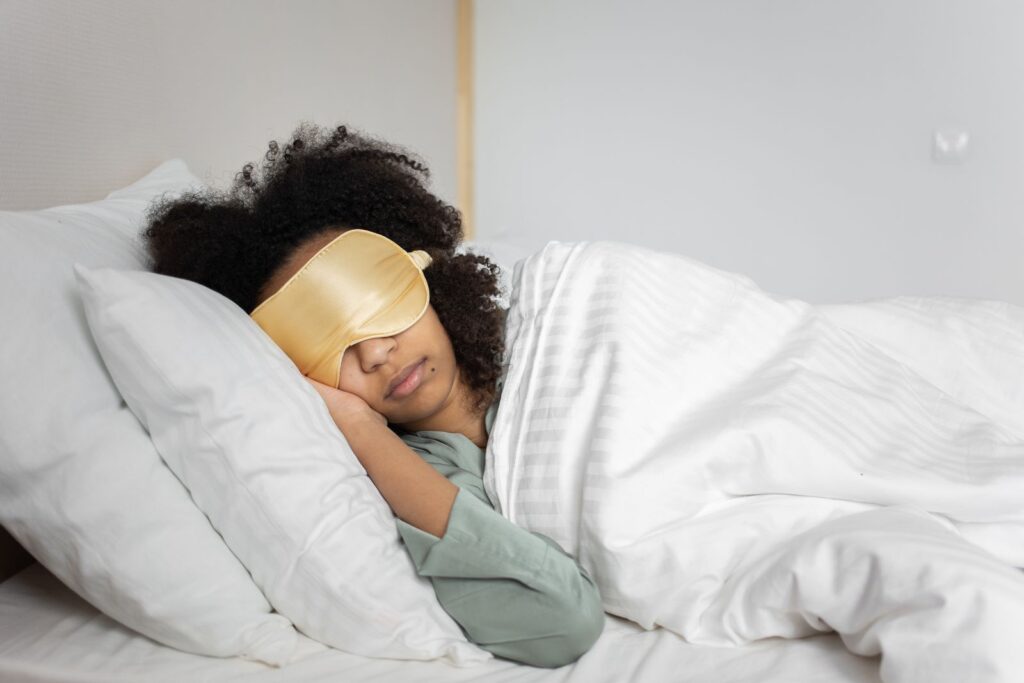
If you sleep on your side, you already know the problem: most sleep masks were designed for people who lie flat on their backs. The moment your cheek presses into the pillow, a bulky mask shifts, digs in, or lets light leak through the gaps. The result is a mask that ends up on the floor by 3 a.m. — or one you stop wearing altogether.
The good news is that several masks are designed specifically with side sleepers in mind. This guide compares popular options based on their published specifications, design features, and widely reported user feedback — not on hands-on testing by our team.
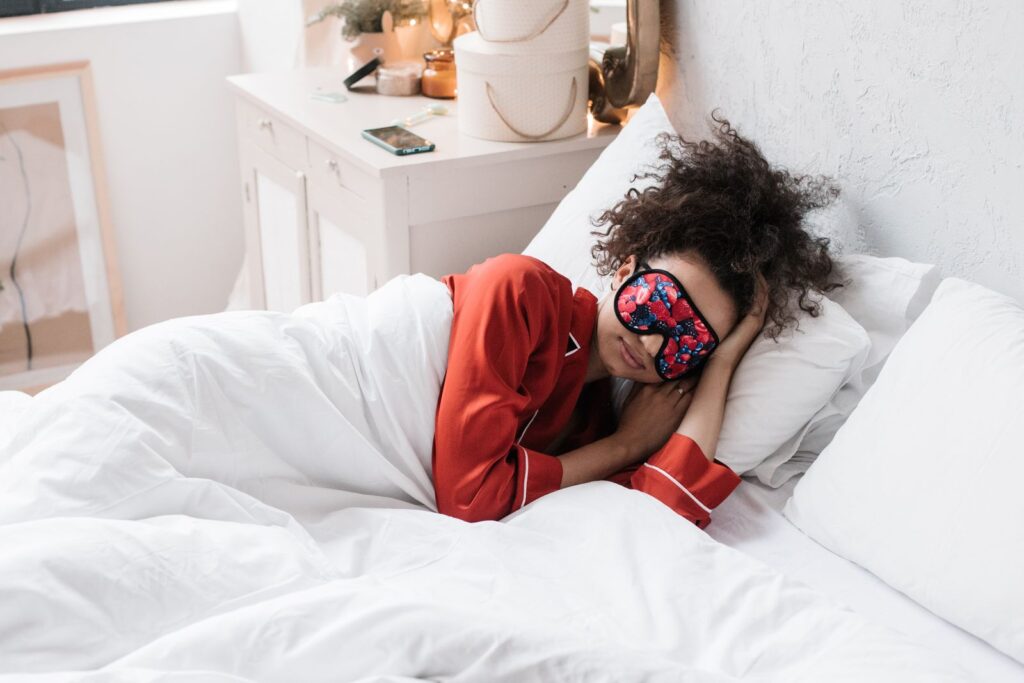
How to Choose a Sleep Mask for Side Sleepers
A low side profile. This is the single most important factor. When you lie on your side, the pillow presses against the side of the mask. Thick padding, bulky seams, or hardware near the temples will dig in and cause discomfort. Look for masks with thin sides and a flat profile where they meet the pillow.
Deep eye cups. Contoured or 3D masks have cups that sit over your eyes without touching your eyelids or lashes. This matters for side sleepers because pillow pressure tends to push flat fabric against the eyes. Deep cups keep the fabric away from your eyes even when the mask is compressed.
A flat, adjustable strap. Elastic straps with buckles or Velcro fasteners near the temples can press painfully against your head when you lie on your side. Masks with flat, wide straps — or straps that fasten at the back of the head — tend to stay in place more comfortably.
Light blocking. A mask that blocks light while you lie on your back may leak light when the seal is disturbed by a pillow. Look for masks with a contoured nose bridge or a nose baffle that seals the gap around your nose, and check user feedback for comments about light leakage in the side position specifically.
Breathable material. If you tend to get warm at night, breathability matters. Natural silk and lightweight cotton tend to feel cooler than thick memory foam, though foam masks often block light better.
Ease of washing. A mask touches your face every night, so it needs regular cleaning. Check whether the mask is machine washable or hand wash only, and whether the foam parts can be removed.
Our Picks: Best Sleep Masks for Side Sleepers
1. Manta Sleep Mask
The Manta is one of the most widely recommended masks for side sleepers. Instead of a padded panel, it uses two hollow eye cups that float over your eyes with no pressure on the eyelids. The strap is flat and adjustable, so there is no bulky buckle near your temple.
Pros:
- Hollow eye cups mean zero pressure on the eyes, even under pillow compression
- Flat strap with no temple hardware to dig in
- Adjustable eye cups for a custom fit
- Strong light blocking when fitted correctly
Cons:
- Premium price range, above most competitors
- The modular design has more parts to keep track of
- Some users find the cups take a night or two to get used to
2. MZOO 3D Contoured Sleep Mask
The MZOO is a popular mid-range contoured mask with deep eye cups and thin, curved sides designed to sit flat against the pillow. A nose baffle helps seal out light around the nose, and the adjustable Velcro strap lets you set the fit.
Pros:
- Deep contoured eye cups keep fabric off the eyes and lashes
- Thin curved sides reduce pressure when lying on your side
- Budget-friendly to mid-range price
- Adjustable strap and a nose baffle for better light blocking
Cons:
- Memory foam interior can feel warm for hot sleepers
- The Velcro strap may catch on hair
- Sizing runs one-size-fits-all, which may not suit very small or large heads
3. Alaska Bear Natural Silk Sleep Mask
If you prefer a simple, lightweight mask, the Alaska Bear is a classic. Made from natural mulberry silk, it is thin, soft, and breathable — and because it has almost no bulk, there is very little for the pillow to push against.
Pros:
- Very thin and lightweight, with almost no side bulk
- Natural silk feels cool and gentle on skin
- Budget-friendly price
- Easy to pack for travel
Cons:
- Less complete light blocking than contoured masks
- Single elastic strap can migrate during the night
- No eye cups, so fabric rests directly on the eyelids
4. Nidra Deep Rest Contoured Mask
The Nidra Deep Rest is a contoured mask with a cup-shaped design and a dual sliding buckle strap system. The strap design is a notable feature for side sleepers: the buckles sit flat and the dual adjustment helps the mask stay in position when you move.
Pros:
- Contoured cups with good light blocking
- Dual sliding buckle strap helps the mask stay put
- Comfortable fit for a wide range of face shapes
- Mid-range price
Cons:
- Buckles may still be noticeable for very light sleepers
- Foam padding can feel warm in summer
- Hand wash recommended, which takes more effort
5. Drowsy Silk Sleep Mask
Drowsy takes a different approach: a wide, padded silk mask that wraps around the head with a broad band rather than a thin strap. The wide band distributes pressure, which many side sleepers find comfortable, and the generous silk padding blocks light well.
Pros:
- Wide band distributes pressure and stays in place
- High-quality silk feels soft and luxurious
- Good light blocking for a silk mask
- Machine washable on a gentle cycle
Cons:
- Premium price range
- Bulkier than flat silk masks, so it takes more space when travelling
- The wide band may feel warm for hot sleepers
6. Dream Recovery Performance Silk Sleep Mask
The Dream Recovery mask combines a slim silk exterior with recessed eye cups, aiming for the comfort of silk with the light blocking of a contoured mask. The Pro version is the slimmer of the two styles and is the one most often recommended for side sleepers.
Pros:
- Slim profile with recessed eye cups, suited to side sleeping
- Cooling silk material suits warm sleepers
- Good balance of comfort and light blocking
- Lightweight and travel-friendly
Cons:
- Mid-range to premium price
- Sold mainly online, so you cannot try it before buying
- One-size fit may not suit everyone
Frequently Asked Questions
Why do regular sleep masks fail for side sleepers?
Most masks are designed for back sleepers. When you lie on your side, the pillow presses the mask sideways, which can shift it out of position, push fabric against your eyes, or open gaps that let light in. Masks with thin sides, flat straps, and deep eye cups handle this pressure better.
Are contoured masks better than flat silk masks for side sleeping?
It depends on what you value most. Contoured masks usually block light more completely and keep fabric off your eyes, but they are bulkier. Flat silk masks are cooler and lighter, with almost no bulk for the pillow to push against, but they may let in more light around the edges.
How do I stop my sleep mask from sliding off at night?
A strap that is adjustable and fastens flat at the back of the head usually stays put better than a loose elastic band. Make sure the strap is snug but not tight.
Can I wash my sleep mask?
Most masks can be washed, but the method varies. Silk masks are usually hand washed or machine washed on a gentle cycle in a laundry bag, while foam contoured masks are often hand wash only. Always check the care label before washing, and let the mask air dry.
Conclusion
The best sleep mask for side sleepers is one with a low side profile, deep eye cups, and a flat strap that stays put when the pillow pushes against it. The Manta Sleep Mask is a strong all-round choice if you are willing to pay a premium price, while the MZOO contoured mask offers similar ideas at a lower cost. If you prefer something light and cool, the Alaska Bear silk mask is hard to beat for the price, and the Nidra, Drowsy, and Dream Recovery masks each offer a different balance of comfort, light blocking, and materials.
Give any new mask a few nights before judging it — your sleeping position, pillow height, and strap adjustment all affect how it performs.
This article is for general information only. If you have ongoing sleep concerns, please consult a healthcare professional.